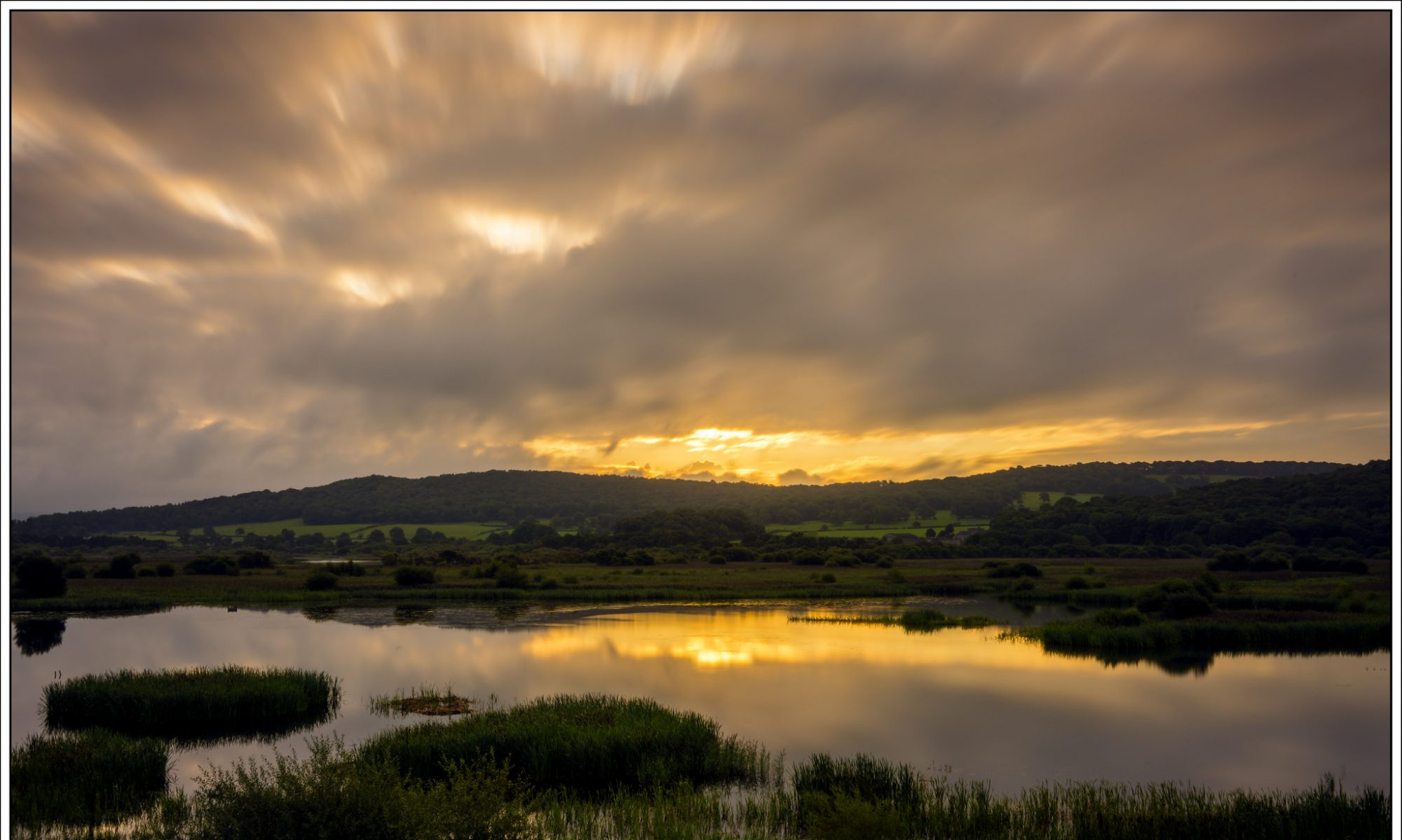


Horizons of the Meadows
Dr. Alireza Bemanian
•© www.bemanian.com
شورشِ عشق است منقوشِ فلک این وادیِ سیرِ سلوک
Chapter III: Propensities and Guides — epigraph
Horizons of the pastures, paddock’s fences,
stalls to corral, the sheds and coops,
waver and shutter, or, quiver and tremble.
Obscurity and oblivion, opacity and ambiguity,
to condense and congeal, or, faint and diffuse.
Storms’ eyes, zapping calms, descending sooth,
sneak and creep, and tiptoe and slip———
Stretches, expanses, and springs,
the leaps, jumps, and founts,
mesmerize, enthrall, and absorb.
Sparkles and energy, vigor and dynamism,
the movements and drives,
bloom and thrive, glow and blossom.
The contents, substances, body and gist, the nub and soul,
relieve and settle, resolve and ease.
To join and link, fasten and bond,
to touch and reach, the voices and sings,
lyrics and speeches, the surfing winds,
compromise and distill, to heal the broken wings.
Awakening valleys, wide and stretched,
bushes and shrubs, wilds and scrubs,
is it the murmur of the falling rain dews,
or, the soaring eagles expedition clues.
While, the bashful and reserved,
The timid and timorous flowers,
swing the flow, swipe the surface.
The hide and seek, teasers and jives,
the mysteries and riddles, proclaim and declare.
No and never———
the birds and fowls, whispers and murmurs,
hisses and utters, or, jeers and mutters,
have been seen to wobble, or mold to tremble.
Fulfil the urges, foresee the merges,
the joy and success, forbid the edges,
the rays and gleams, sparks and the hints,
are meant to pass by, catch them to survive.
Bounties and expanses, moments and the stances,
imminent marches, sequels and upshots,
munificent moments and instants, joins and junctures,
forgive the sorrows, conceal the narrows.
Occasions and passes, reveal and bolster,
the destiny and fate, mesmerize, captivate, and holster,
while, the train and the convoy, exert, exercise, and wield.
Alireza Bemanian • January 7, 2026 • © www.bemanian.com
Themes & Interpretations
The Horizon Within
Meadow as Philosophical Category
The poem’s title names a paradox: the horizon is always at the same distance from the observer regardless of how far one moves toward it — it is not a destination but an orientation device. By pairing it with “meadows” (immediate, pastoral, inhabited), the poem argues that the horizon is not found at a great distance but is visible from within the ordinary. The paddock fence, the shed, the coop — these constrained and bounded structures are not obstacles to the horizon but its nearest visible expressions.
No and Never
The Collection’s First Absolute Refusal
“No and never———” is the only moment in the Odyssey collection where the triple em-dash follows an absolute negation rather than a conditional. The birds and fowls, whispers and murmurs — all the living sounds of the meadow — have never been seen to wobble or mold to tremble. The poem’s deepest philosophical claim: genuine vitality cannot ultimately be made to tremble. What trembles in stanza 1 (the fences, the coops) has not reached the core that the birds and whispers inhabit.
The Timid Flower as Agent
Reticence as Force
The bashful and reserved, the timid and timorous flowers of stanza 9 — the most apparently passive and withdrawn of natural entities — “swing the flow, swipe the surface.” The poem’s most counterintuitive claim: reticence is not passivity. The flower that does not announce itself affects the flow and the surface precisely through its quality of gentle reserve. Timidity, properly inhabited, is a form of force — perhaps the most sustained and the most difficult to resist.
Murmur or Eagle
Two Epistemologies of the Horizon
“Is it the murmur of the falling rain dews, / or, the soaring eagles expedition clues” — the poem refuses to answer because both are equally valid. The murmur (intimate, barely audible, requiring nearness) and the eagle (commanding, visible from great distance, riding thermals with directional force) are both clues to the horizon. The poem declines to privilege either the contemplative or the active, the small or the grand — and in that refusal lies its most generous philosophical claim.
Catch Them to Survive
The Passing Flash as Existential Necessity
“The rays and gleams, sparks and the hints, / are meant to pass by, catch them to survive.” The language is not of preference or comfort but of survival. The flashes of insight and possibility are in motion — they are meant to pass, their passing is their nature. The self must be alert and quick enough to catch what moves through. Inattention to the passing flash is not merely missed opportunity but a form of existential diminishment: to miss the spark is to fail to survive in the fullest sense.